
How to Keep Character Consistency Across AI Avatar Generations
· AI Avatars · 8 min read · Reels Farm Team
Getting one good avatar image is relatively easy. Getting the same character back later is where teams usually lose control. Consistency requires process, not luck.
Most AI avatar inconsistency is self-inflicted.
Teams change the prompt too much, swap the references, shift the styling direction, and then wonder why the new generation does not feel like the same person.
Consistency is possible, but it usually comes from a more disciplined workflow.
Quick Answer
If you want more consistent AI avatar generations:
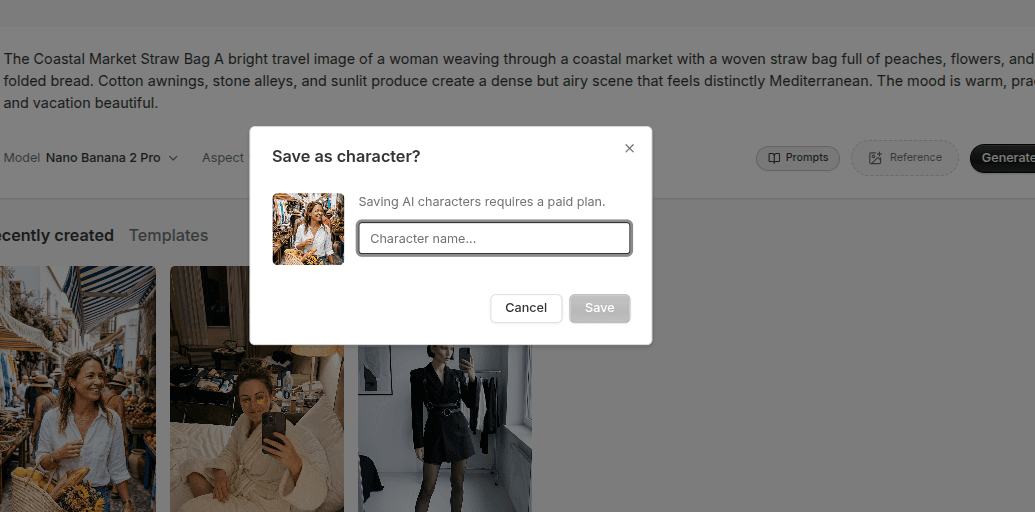
- save the characters that actually work
- reuse the same references
- keep the core prompt variables stable
- change one visual variable at a time
- expand the character carefully instead of reinventing them every time
The goal is not perfect duplication. The goal is recognizable identity across several useful outputs.
Step 1: Save the Right Character First
Consistency starts with a good base character.
If the original avatar is weak, generic, or only accidentally useful, building consistency around it is a waste of effort.
A character worth saving usually has:
- strong brand fit
- clear facial identity
- styling that can be reused
- enough flexibility to appear in more than one context
This is why saving strong characters matters. It gives the workflow a stable anchor instead of forcing you to rediscover the same identity every time.
Step 2: Lock the Core Visual Variables
When people talk about consistency, they often mean several smaller things combined:
- face shape
- hair
- age range
- overall styling
- brand mood
You do not need every output to be identical, but you do need the core identity signals to stay stable enough that the character still feels familiar.
This is where many workflows drift. The team wants a new setting, a new outfit, a new mood, and a slightly different character expression all at once. Too many changes at the same time usually break continuity.
Step 3: Reuse References Intentionally
Reference images are one of the most practical ways to reduce drift.
If the same character matters across multiple generations, the winning references should stay attached to that character's workflow. They should not be treated like temporary inspiration that gets lost after the first output.
The point of a reference is to narrow the visual range.
It tells the model, "stay near this identity, this styling, or this kind of output."
That becomes even more useful when the character needs to appear across different ads or scenes while still feeling recognizable.
Step 4: Keep the Prompt Stable Where It Matters
The prompt should evolve carefully, not randomly.
For consistency work, the prompt usually needs a stable core:
- who the character is
- what kind of look they have
- the general tone of the image
- any important brand constraints
Then you can layer changes on top:
- new background
- new scene
- new framing
- new product interaction
This gives you controlled variation without sacrificing the character itself.
Step 5: Expand the Character One Move at a Time
Once a character is working, the natural temptation is to push them everywhere immediately.
That is risky.
A better approach is to expand the character gradually:
- keep the same character in a similar setup
- try a new scene
- then try a different framing
- then test product interaction
This helps you understand which variables the character can absorb without losing recognizability.
It also gives the team cleaner reusable patterns later.
Step 6: Treat Consistency Like Asset Management
Character consistency improves when the workflow stores context.
That means keeping:
- the saved character
- strong reference images
- the winning prompt pattern
- notes on what changed successfully
This turns a good output into a reusable system instead of a lucky result.
Without that system, every new generation becomes a partial reset.
What Good Consistency Actually Looks Like
Teams sometimes chase the wrong standard here.
Useful consistency does not mean every image is identical. It means the character still feels recognizable across several outputs:
- the same basic identity
- the same brand fit
- similar styling logic
- enough familiarity that the character still reads as the same person
That is a better standard because it leaves room for variation while keeping the character commercially useful.
Common Mistakes
Changing too many variables at once
This is one of the fastest ways to lose the original identity.
Saving weak characters
If the base is not strong, consistency work becomes harder.
Dropping the winning references
Reference discipline matters more than people think.
Treating every new generation like a full reinvention
That usually creates drift instead of evolution.
FAQ
Can AI avatars stay perfectly identical across every image?
You should not assume perfect lock across every generation. The useful target is strong recognizability and repeatable brand fit.
Should I keep separate characters for different campaigns?
Sometimes yes, especially if the campaigns need very different roles or aesthetics.
Is prompt consistency enough on its own?
Usually no. Saved characters and reference reuse make the workflow much stronger.
Can the same character appear in different scenes and still stay consistent?
Yes, as long as the core identity signals stay stable and the workflow does not change too many variables at once.
Final Take
Character consistency is mostly a workflow problem.
Save the right base character, reuse the right references, keep the important prompt variables stable, and expand the creative range carefully. That is how AI avatar generation starts behaving more like a production system and less like a gamble.
Related tools
If you want to turn this topic into something usable right now, start with these tools.
Content Angle Generator
Generate content angles you can turn into hooks, captions, slideshows, or scripts.
Instagram Caption Generator
Create Instagram caption drafts for stories, lessons, launch posts, and offers.
CTA Generator
Create call-to-action lines for captions, carousels, videos, and offer-led posts.
Related reading
- How to Create AI Avatars for Ads Without Hiring Models
Better AI avatar ads come from stronger role definition, better references, and saving the characters that actually fit the brand.
- How to Use Reference Images to Get Better AI Avatars
Reference images work best when they narrow the output toward a useful identity or style instead of adding more randomness to the generation.
- 7 GPT Image 2.5 Editing Mistakes and Their Fixes
GPT Image 2.5 reference edits can change details you wanted to keep. A useful edit brief names both the requested change and the protected parts of the image.
Related comparisons
- Best AI UGC Video Tools for Short-Form Content
A buying guide to AI UGC video tools, with ReelsFarm positioned for complete short-form content workflows.
- Best TikTok Automation Tools for Content Teams
A guide to TikTok automation tools for teams that need content creation, scheduling, publishing, and creative control.
- Best AI Slideshow Makers for TikTok
A guide to AI slideshow makers for TikTok, with ReelsFarm positioned for repeatable slideshow automation.
- Best AI UGC Tools for Ecommerce Brands
A source-checked guide to six AI UGC tools for ecommerce product content and publishing workflows.
Drive traffic to what matters on autopilot.
Create standout posts, line up your calendar, and publish consistently without juggling a dozen tools.