
How to Build Product Ad Variations Faster With AI Compositing
· Product Studio · 8 min read · Reels Farm Team
Brands rarely need one perfect product ad. They need several variants that can actually be compared, reused, and refreshed. The key is making variation mean something instead of just changing visuals randomly.
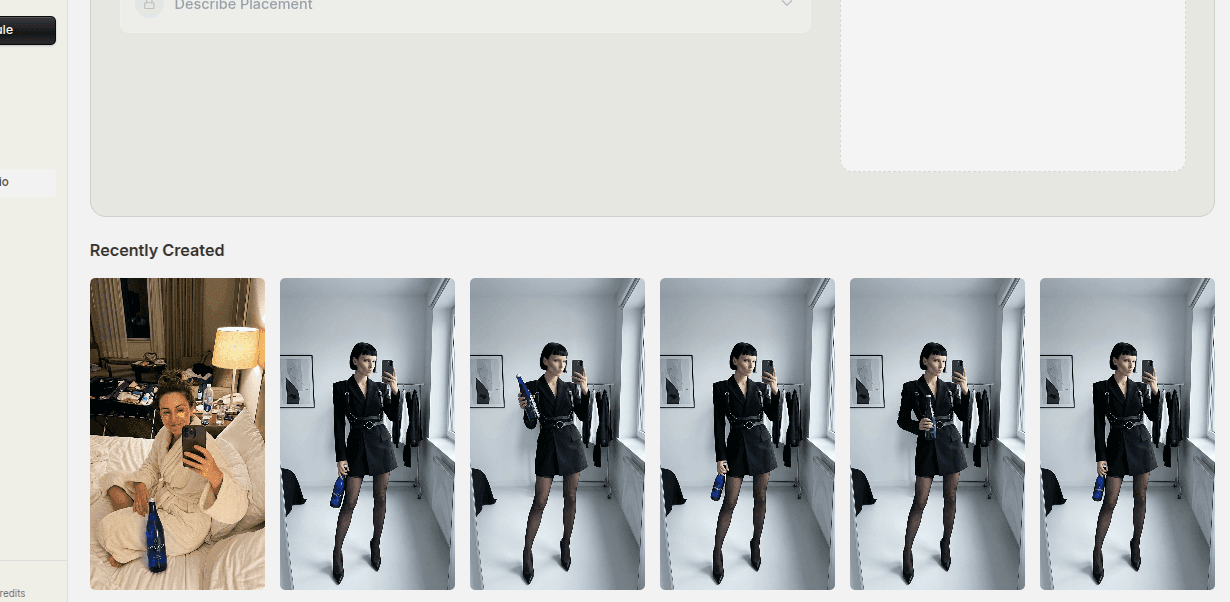
Most product ad variation is fake variation.
The color shifts a little. The background changes slightly. Maybe the product moves a bit in the frame. Technically those are different images, but strategically they are often saying the same thing.
Useful variation needs more intention than that.
Quick Answer
To build product ad variations faster without turning them into clutter:
- lock the strongest base product asset
- change one meaningful variable at a time
- make each variation support a distinct angle
- keep the best versions for reuse
The goal is not endless creative output. The goal is a stronger testing and publishing system.
Step 1: Lock the Core Product Asset
Variation is easier when the base stays trustworthy.
That means the underlying product asset should be:
- clean
- recognizable
- visually consistent
- reusable across several ad directions
If the base asset is weak, every variation inherits the problem. If the base asset is strong, the team can move faster because the product does not need to be solved again each time.
Step 2: Change One Variable at a Time
This is one of the simplest ways to make variation more useful.
The main variables worth changing are:
- scene
- avatar or human context
- framing
- offer angle
- visual mood
Changing all of them at once makes it hard to learn anything from the resulting set. Changing one meaningful variable at a time makes the differences easier to understand and more useful later.
Step 3: Make the Variations Strategically Different
A good variation should answer a new creative need.
That could mean:
- a cleaner ecommerce-first version
- a creator-style version with product interaction
- a premium launch version
- a promo-focused version
- a lifestyle version that broadens the context
What matters is that each image earns its place. If the variation would be difficult to distinguish in a real campaign planning conversation, it may not be a strong enough variation.
Step 4: Protect the Product Through Every Version
When teams get excited about variation, the product sometimes gets weaker with each new attempt.
That is a mistake.
The product should remain clear, central, and commercially useful across the whole set. Otherwise the workflow is optimizing for novelty instead of ad performance.
Useful review questions:
- is the product still recognizable?
- is the product still the focal point?
- does this version help a real campaign use case?
Step 5: Name and Save the Winners
Variation systems become more valuable when the outputs stay organized.
If one version works well as a launch asset and another works better for creator-style placements, the files should make that obvious later. The same goes for scenes, avatar roles, or offer categories that proved useful.
That creates a stronger long-term loop:
- base asset stays reusable
- strong variations stay identifiable
- future campaigns start from proven ingredients
Step 6: Know When to Stop
There is a point where more versions stop improving the system.
Stop when:
- the new versions are only cosmetically different
- the campaign already has enough coverage
- the product is getting diluted instead of clarified
- the team is generating alternatives without a use case
Variation should reduce uncertainty, not create more folder noise.
Common Mistakes
Changing everything at once
This makes the variation harder to learn from and harder to reuse.
Treating cosmetic edits like strategic variants
Not every visual change creates a meaningful new ad.
Letting the product get lost in the scene
Variation should not weaken clarity.
Failing to save and label the strongest outputs
That wastes one of the biggest benefits of the workflow.
FAQ
How many product ad variations should a campaign usually have?
Enough to support distinct angles and placements, but not so many that the set becomes redundant.
Should every variation include an avatar?
No. Some products need more product-led versions, while others benefit from more human context.
What is the fastest way to create useful variation?
Keep the product asset stable and change one meaningful variable tied to a real campaign need.
Final Take
Product ad variation gets faster and more useful when the workflow reuses strong inputs and changes only the variables that actually matter.
Lock the best product asset, generate variations with strategic intent, and keep the winners organized for reuse. That is how compositing becomes a creative system instead of a random output machine.
Related tools
If you want to turn this topic into something usable right now, start with these tools.
Content Angle Generator
Generate content angles you can turn into hooks, captions, slideshows, or scripts.
Instagram Caption Generator
Create Instagram caption drafts for stories, lessons, launch posts, and offers.
CTA Generator
Create call-to-action lines for captions, carousels, videos, and offer-led posts.
Related reading
- How to Create Ecommerce Ad Images With AI Avatars
To create ecommerce ad images with AI avatars, define the product message first. Then choose a suitable character, supply a clear product reference, and review the result for both visual quality and product accuracy.
- How to Generate Product Marketing Images for Launches and Offers
Launch-ready product images work better when the offer, product, and scene are planned together from the start.
- When to Use Product Studio vs Traditional Product Photography
Product Studio and traditional photography solve different problems. The better choice depends on speed, variation needs, and the type of output the campaign requires.
Related comparisons
- Best AI UGC Video Tools for Short-Form Content
A buying guide to AI UGC video tools, with ReelsFarm positioned for complete short-form content workflows.
- Best TikTok Automation Tools for Content Teams
A guide to TikTok automation tools for teams that need content creation, scheduling, publishing, and creative control.
- Best AI Slideshow Makers for TikTok
A guide to AI slideshow makers for TikTok, with ReelsFarm positioned for repeatable slideshow automation.
- Best AI UGC Tools for Ecommerce Brands
A source-checked guide to six AI UGC tools for ecommerce product content and publishing workflows.
Drive traffic to what matters on autopilot.
Create standout posts, line up your calendar, and publish consistently without juggling a dozen tools.