
Professional Warnings
Experts share products they avoid or mistakes they see in clients to build trust and curiosity.

The most-watched hair care slideshows use hooks like a list of mistakes, a before-and-after, or a product warning. To replicate this success, start with a strong hook and use between seven and nine slides.
Get 50 hair care slideshow ideas matched to your website, or start making slideshows free.
Experts share products they avoid or mistakes they see in clients to build trust and curiosity.
Users list specific items that worked or failed to help others choose the right hair care.
Creators show how specific changes or habits improved their appearance over time.
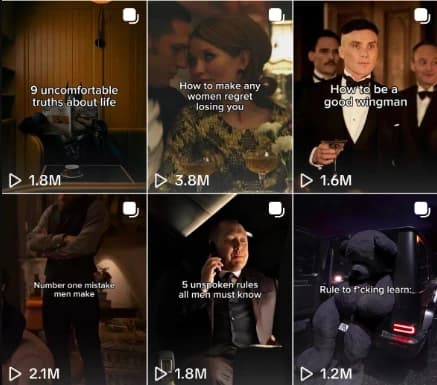
These slideshows highlight common errors men make with hair products or hygiene.
Sorted by views. Open any slideshow to see every slide.
The promise of becoming a main character through simple home changes encourages viewers to swipe through for easy beauty secrets.
Searching for a specific solution for hair loss makes people curious to see which products are recommended in the slides.
This POV setup creates a relatable shopping journey that prompts users to save the list of hair loss products.
Highlighting small hygiene shifts that yield big results makes people want to see the specific habits mentioned.
A brutally honest review of popular drugstore items builds trust and makes viewers swipe to see which masks failed.
Linking micro habits to becoming hotter in a specific decade invites people to learn these life-improving routines.
A visual comparison of a face transformation triggers curiosity about the specific methods used to achieve the new look.
Promising immediate hair improvements through six specific actions drives people to swipe through the entire list.
Listing eight things for better hair encourages viewers to save the post as a guide for their own routines.
Warning against a specific shampoo creates instant intrigue for anyone looking to avoid bad hair products.
The stylist's emotional reaction to client shampoo choices makes people curious about which products are considered bad.
Asking for hairstyle advice due to a personal conflict invites the community to comment with their own suggestions.
A strong warning about a shampoo to never use makes people swipe to identify products they might own.
Providing five ways to increase attractiveness targets men looking for quick self-improvement tips.
The text about a shampoo to avoid prompts viewers to check if their current hair care is problematic.
A stylist threatening to kick clients out for using certain shampoos creates high drama that people want to see.
Pointing out common mistakes men make with their hair makes them swipe to check their own habits.
Looking toward the future with hair tips for 2026 makes viewers want to see these advanced techniques.
The stylist's distress over client shampoo choices makes people curious about the specific brands causing the issue.
Using years of professional experience to warn against certain shampoos makes the advice feel highly credible and worth saving.
Listing specific products that worked or failed for blonde hair encourages users to save the list for future shopping trips.
Warning men about hidden dangers in their routine prompts them to swipe through to check their own bathroom cabinets.
Using professional authority from an experienced barber makes viewers curious about which specific brands to avoid using.
The claim that men are unknowingly damaging their hair creates a sense of urgency to see the list of culprits.
Highlighting products that men never realize are harmful drives curiosity and makes people want to see if they are at risk.
A bold statement about hair feeling like straw makes people swipe to find out which shampoos are causing the texture.
Suggesting common mistakes creates doubt in the viewer, making them want to see if they are making these errors.
Showing real damage alongside a list of what worked helps people with similar hair issues find relatable solutions.
A roundup focused on fried hair promises direct help for people struggling with extreme dryness and breakage.
Sharing a personal grooming suggestion from a professional makes people curious about the potential new look.
Promising a facial transformation in a short time frame makes viewers swipe to see the before and after results.
Warning against specific store purchases triggers a fear of wasting money, which leads to more saves and shares.
Sharing a vulnerable moment about thinning hair makes people want to see the specific solution that helped.
Pointing out destructive habits encourages men to swipe through to ensure they are not ruining their hair health.
Telling women what to avoid at a popular retailer creates curiosity about which products are considered bad.
Claiming immediate and massive improvements makes viewers eager to learn the specific habits being shared.
Comparing what works versus what fails for frizz helps people make better decisions for their hair type.
The hairstylist's emotional reaction to client choices makes people want to see which shampoos are causing the frustration.
Asking for advice on a controversial haircut choice invites people to comment with their own opinions.
A dramatic story about a hair mistake before a wedding makes people want to see the outcome and the recovery.
The promise of a quick facial change over two months encourages viewers to swipe through to see the before and after photos.
Warning people against a specific product creates curiosity about which shampoo is bad enough to never use again.
Asking for advice on reaching a specific hair length goal invites others to share their own tips in the comments.
Using a prohibition sign next to a shampoo recommendation makes people want to see which brands to avoid.
Showing a transformation story makes people curious to see the starting point of the two-month journey.
Sharing life lessons learned before age thirty prompts viewers to save the list for their own personal routines.
Suggesting that common products are actually damaging hair makes men want to check if they are making mistakes.
Claiming that home habits provided immediate hair improvements makes people swipe to find easy DIY solutions.
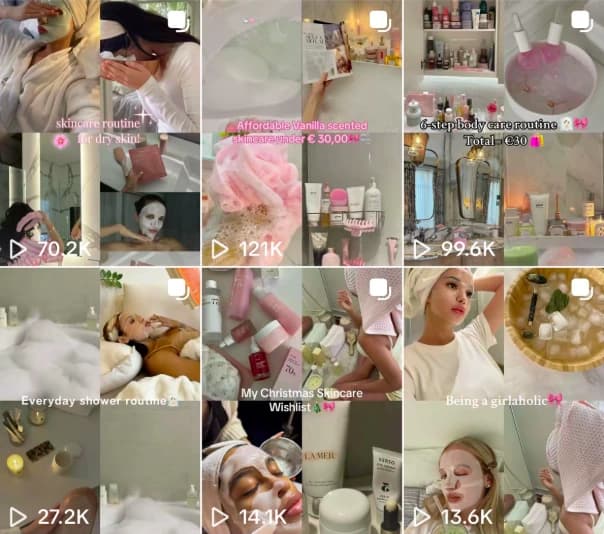
A visual of a skincare routine makes viewers interested in seeing the specific steps and products used.
The idea of a shampoo intervention suggests a list of bad products that people will want to check against their own.
Linking cozy home habits to shiny, long hair makes people want to swipe for these comforting lifestyle tips.
Promising immediate hair improvements through new habits encourages people to swipe through the entire list.
Comparing current hair to how it looked years ago makes people curious about the growth or repair process.
Warning against specific store purchases creates a sense of urgency for shoppers to avoid wasting money.
A low price point for a look or routine makes people curious about how to achieve results on a budget.
Listing simple habits for better hair makes the content feel achievable and easy for viewers to save.
A professional perspective on bad-smelling shampoos makes people want to see if their own products are on the list.
Mentioning thin hair in your twenties targets a specific concern that will make people seek medical advice.
Relating a mother's concern about hair thinning makes the topic feel personal and prompts discussion about hair health.
Comparing a low budget to a result makes people want to see how much can be achieved with very little money.
Warning users against specific store purchases creates curiosity about which products to avoid during their next shopping trip.
Promising immediate improvements through simple habits encourages viewers to swipe through for easy, actionable hair routines.
A low price point paired with a visual transformation makes people curious about the specific products used.
Personal family conflict creates a dramatic hook that makes viewers want to see the resulting hair change.
Mentioning thin hair in your twenties targets a specific fear, prompting users to save the advice for later.
A negative review of a shampoo at a scenic location makes people curious about which brand is being criticized.
Asking for style help on a specific nickname invites viewers to comment with their own haircut suggestions.
Expert medical authority combined with a list of avoided products makes people want to see the professional's secrets.
Focusing on hair thinning in young adults drives people to swipe for professional dermatological solutions.
Sharing secrets that should have been known sooner makes viewers want to save the list for their own routine.
A vulnerable look at postpartum hair loss connects with new mothers who want to see how others cope.
Using years of medical experience to list forbidden hair products builds trust and encourages many saves.
The claim that a professional can smell bad shampoos creates intense curiosity about which scents to avoid.
A barber's refusal to use certain products suggests a high level of professional expertise worth following.
Showing a difficult skin journey makes people want to swipe to see the progress and the solution.
Pointing out common mistakes for men makes them curious to check if they are doing something wrong.
Linking cozy home habits to shiny, long hair makes viewers want to swipe for a comfortable routine.
A high-stakes situation involving school rules prompts viewers to share their best haircut ideas in the comments.
Expressing regret over past purchases makes people swipe to avoid making the same mistakes themselves.
A disagreement with a parent over a new look invites viewers to weigh in and give advice.
Bold claims about increasing attractiveness prompt users to swipe through to see the specific methods mentioned.
A controversial statement about haircuts encourages people to comment their opinions or swipe to see why.
Sharing personal fixes for menopause symptoms makes viewers save the post for reliable health advice.
Suggesting common mistakes creates curiosity, making men swipe to ensure they are not doing them.
The raw honesty about hair loss severity makes new mothers feel seen and want to read more.
Comparing results with a list of what works and what fails drives saves for future reference.
A short, mysterious title paired with a selfie makes people swipe to find the hidden context.
Rating popular items from a mother's perspective builds trust and encourages viewers to see the results.
Describing a scary moment with hair clumps makes people swipe to find out how she recovered.
Urgent warnings about specific products trigger fear of missing out or fear of harm, driving swipes.
Promising life lessons learned by age thirty makes viewers swipe to improve their own daily routines.
A questioning tone about lash serums invites debate and curiosity in the comments section.
Sharing a personal journey to long hair provides a roadmap that viewers will want to save.
The desire for better hygiene habits leads people to swipe through these helpful lifestyle tips.
Using a specific age milestone makes the advice feel more urgent and valuable to younger viewers.
Medical authority combined with personal tips encourages women to save the information for later.
The promise of knowing things earlier than others makes people swipe to avoid making mistakes.
Targeting women with specific hygiene advice creates a sense of community and helpfulness.
An honest review of trending items makes people swipe to see if the products are worth buying.
The focus on lessons learned before thirty makes the content feel like essential life wisdom.
The stylist uses a strong warning about banned products to make viewers curious about which specific brands they might be using wrong.
Claiming that skin ages faster without a specific habit prompts people over thirty to swipe through to avoid rapid aging.
Sharing personal hygiene lessons learned late in life encourages viewers to save the list so they can improve their own routines.
Using dramatic language about hair returning from the dead makes people want to see the exact rules for hair recovery.
A bold statement about never using a product again creates mystery around the specific shampoo mentioned in the slides.
The warning against buying certain items at a major retailer makes shoppers swipe to avoid making costly or bad mistakes.
A sense of regret in the text drives viewers to look through the slides to see what they should avoid buying.
The promise of a shampoo recommendation through a negative lens makes people curious about which products to skip.
Telling viewers which shampoo is no longer used creates an immediate need to know which brands are being rejected.
Most of the 109 slideshows on this page use 7 to 9 slides, and the typical one uses 8. Use enough slides to finish one idea, with one point per slide.
7 of these 109 slideshows passed 1 million views, and 8 passed 100,000. The page is sorted by views, so the most-watched slideshows come first.
Of the slideshows on this page, 83% promote products.
Use them as inspiration, not as posts to copy. Keep the format or angle that suits you, then make it with your own photos, words and facts.
Pick a format from this page, then build it in ReelsFarm: write the hook and slides with AI, add your images, and schedule the post to TikTok. You can start for free.
Every day you wait, someone in your niche is collecting the views your brand should already own.



Create standout posts, line up your calendar, and publish consistently without juggling a dozen tools.