
Therapist or Expert Advice
These posts use professional figures like therapists or neurologists to provide unconventional tips that promise to work for the viewer.

The most-watched productivity slideshows open with a numbered list of habits, weird therapist tricks, or ways to rewire the brain. To replicate this success, start with a specific number of habits and use 6 to 7 slides per post.
Get 50 productivity slideshow ideas matched to your website, or start making slideshows free.
These posts use professional figures like therapists or neurologists to provide unconventional tips that promise to work for the viewer.
This format lists a specific number of daily actions to help users overcome mental blocks or change their lifestyle.
These slideshows focus on changing mental patterns or neurological responses to improve focus and daily function.
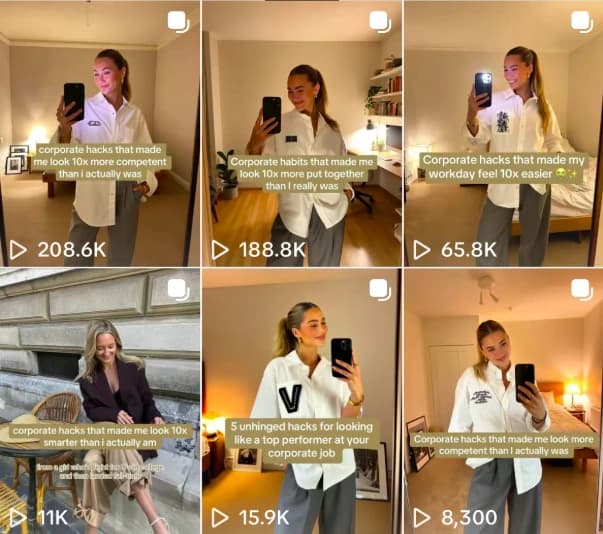
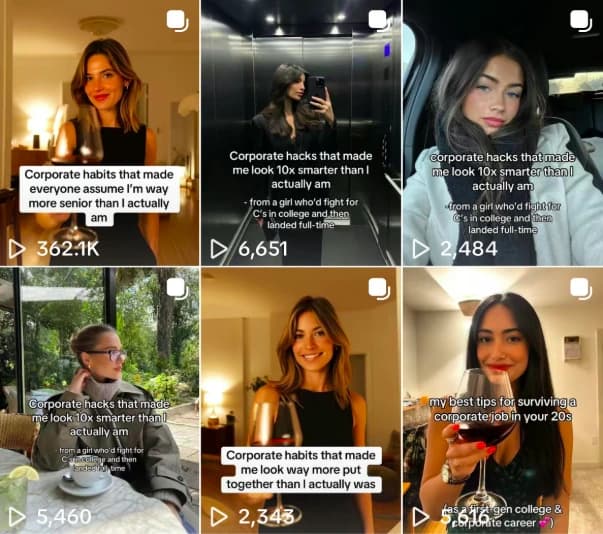
These examples share specific methods learned from bosses or leaders to manage tasks and avoid burnout at work.
Sorted by views. Open any slideshow to see every slide.
The promise to break a freeze and use potential motivates people to swipe through the seven specific habits listed.
Users interested in personal growth will swipe to see how to stop the cycle of constant rebranding.
Mentioning therapist-approved tricks creates curiosity about unusual methods that have proven successful for managing ADHD.
By explicitly rejecting journaling, this title makes viewers curious about what other practical ADHD habits actually work.
The claim that these therapist-suggested tricks work encourages people to save the list for future reference.
Focusing on insomnia and privacy for ADHD brains makes people want to see if they relate to these specific tips.
A direct promise to explain how to rewire the brain prompts viewers to swipe through the steps.
The title appeals to those wanting organized lifestyles by promising a specific method used by smart girls.
Using bold language about overcoming executive dysfunction makes people curious about how a type B person manages it.
Hearing about weird survival tips from a boss makes viewers want to see how these methods save careers.
The idea of trying unusual tricks from a professional makes people swipe to discover the specific methods used.
This simple topic targets people struggling with ADHD to see how they can manage their daily executive dysfunction.
The relatable struggle of feeling dead inside every morning makes people want to see the seven ADHD-friendly solutions.
Adding a neuroscience student's credentials makes the promise of rewiring the brain feel more credible and worth swiping.
A list of movie recommendations for film lovers encourages people to save the post for their next viewing.
Claiming these tips are things doctors won't tell you makes people eager to see the secret improvements.
Learning from a CEO's unique perspective on task management makes people want to see these weird but effective lessons.
The straightforward promise of how to rewire the brain leads viewers to swipe for the actual process.
The emotional hook of moving from saving things to living life encourages people to swipe for advice.
A guide on how to start a journal provides a clear starting point for people looking for new habits.
The promise of rewiring the brain sparks curiosity about mental transformation and cognitive improvement through simple steps.
Seeking a flow state appeals to people wanting deep focus, making them swipe to find specific techniques.
This title teases a lifestyle shift from hoarding ideas to active living, which encourages saves for future inspiration.
Listing movies creates a sense of community among film fans who want to discover new things to watch.
Sharing a personal struggle with avoidance makes viewers with similar neurodivergent traits want to see the solution.
Describing unusual boss behaviors creates intrigue, prompting people to swipe through the specific examples provided.
Mentioning therapist-approved hacks for low motivation promises practical help that people will likely save for later.
A long-term review of different medications invites discussion and curiosity from those seeking similar relief.
Categorizing film suggestions for enthusiasts encourages fans to swipe through the entire list of recommendations.
Focusing on therapist advice for zero motivation offers a sense of hope and actionable steps for struggling users.
Detailing a specific cleaning habit shows how to turn digital clutter into real-world creativity and organization.
The phrase anti-rot suggests a way to reclaim evening time, drawing in people tired of mindless scrolling.
Professional advice for career longevity attracts workers looking for ways to manage their professional lives effectively.
Promising habits for an analog life appeals to those wanting to disconnect from digital distractions and find peace.
Medical expertise paired with the word unhinged makes the advice feel both credible and unexpectedly interesting.
The tension between saving and living prompts users to swipe to learn how to break their hoarding habits.
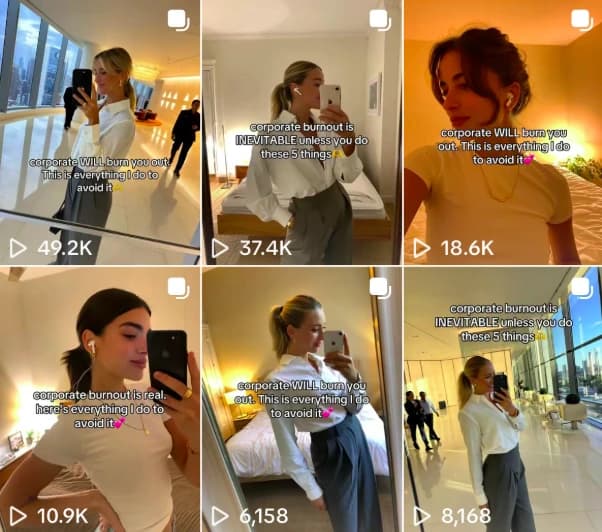
Focusing on burnout prevention offers vital support for professionals looking to protect their mental health at work.
Using a professor's quote makes the study advice feel authoritative and relatable for stressed students.
A direct approach to overcoming avoidance promises a way out of procrastination for those feeling stuck.
Labeling tricks as strange for low motivation days makes people curious about these unconventional mental tools.
The mention of specific elite student habits creates curiosity about unconventional routines that might improve performance.
Using a therapist as a source for brain-related struggles makes viewers want to see these specific coping methods.
Promising a method to raise a GPA appeals to students looking for proven academic success strategies.
People seeking neurodivergent support will swipe to find professional advice that feels unexpected or new.
Framing avoidance as a breakup makes a common struggle relatable and invites people to learn the solution.
The claim of being ten times less cluttered promises a massive mental benefit that encourages saving for later.
Describing tricks as strange makes them sound unique, prompting users to swipe through for the secrets.
Focusing on small, weird actions for low motivation helps people feel that the advice is easy to try.
Combining academic prestige with advice for a younger self builds trust and makes the tips feel valuable.
The idea of toxic comments actually helping a career creates a strong urge to see the controversial details.
A personal look at what helped or hurt a condition invites viewers to compare their own experiences.
Linking therapist-approved hacks to days of mental resistance makes the content highly relevant to struggling users.
Claiming to steal habits from top medical students suggests high-level productivity secrets are being shared.
The strong command to stop self-sabotage pushes people to swipe to find the seven specific habits.
Using bold language to describe overcoming executive dysfunction attracts people looking for empowerment and control.
The promise of odd hacks from a professional source makes the slides feel like a quick learning tool.
Stating that the strategies actually work builds confidence that the viewer should spend time reading them.
Targeting low motivation with professional advice provides a clear reason for people to seek help.
Relating hacks to days when the brain says no speaks directly to the daily struggles of many users.
The bold promise of how to rewire the brain suggests a deep, transformative way to change habits.
The title promises a curated look at chic items, making viewers swipe to see specific style inspiration.
Sharing unspoken truths about neurodivergence in the office encourages employees to save these relatable workplace insights.
Promising strange therapist-approved tricks for low motivation makes people curious to see these unconventional mental health methods.
A story about a boss using weird survival tips creates curiosity about how these methods saved a career.
The mention of a high-achieving student promises actionable advice on habits to stop for personal growth.
This list of survival tactics for the work week prompts viewers to swipe through for practical office help.
Responding to previous requests builds community trust and invites people to see proven ways to organize life.
Using the word weird to describe therapist hacks makes people want to discover these unique motivation tools.
Suggesting ways to turn phone time into learning opportunities makes people save the list for future use.
A continuation of a series on journal prompts invites regular followers to find more ways to reflect.
Focusing on burnout prevention at the start of the year offers a timely way to plan for wellness.
Describing rules as unhinged suggests they are unconventional, which makes people eager to see if they work.
Using a metaphor about a sharp sword makes the concept of hyperfocus intriguing and worth reading through.
The promise of becoming unrecognizable by a specific date motivates people to adopt these new daily habits.
Providing a list of alternatives to phone use gives people a quick resource to help break scrolling habits.
A direct promise to help stop wasting time makes this a highly useful guide for anyone seeking efficiency.
The advice to stop waiting for a spark challenges common misconceptions, prompting viewers to read the full thought.
The bold claim about rewiring the brain makes people curious about the specific steps or methods involved.
Combining soft life concepts with strong structure promises a unique way to balance energy and daily habits.
Tying burnout reduction to the month of January provides a seasonal strategy that people will want to save.
The promise of specific habits for ADHD makes people with this condition swipe to find actionable advice.
Students looking for better study methods will save this to use these focus techniques during their next session.
Offering prompt ideas encourages users to swipe through for creative inspiration to use in their own journals.
The claim of life changing organization methods makes viewers curious to see the specific steps for better weekly planning.
Relatable memes about urgency and ADHD prompt users to comment about their own struggles with procrastination.
This title teases a shift from fleeting motivation to lasting systems, which attracts people seeking more discipline.
Using the word weird about habits piques curiosity, making people swipe to see these unconventional ADHD solutions.
A unique perspective from a professor about broken switches makes people want to read more about this neurological concept.
The idea of reducing future burnout through January actions encourages users to save the list for seasonal planning.
People often wonder if their quirks are unique, so they swipe to see if they recognize these ADHD traits.
Labeling these as therapist hacks suggests professional wisdom, making viewers eager to see how to start difficult tasks.
Sharing a high score achieved through brain rewiring makes students swipe to learn the exact study routine used.
Providing more prompts serves as a quick resource for people who want to continue their journaling practice.
The provocative statement about doomscrolling makes people curious to find out what the real problem actually is.
Warning about dangerous brain spirals makes people swipe to learn how to identify and stop negative thought patterns.
Turning lists into action is a common struggle, so this title promises a practical way to stop procrastinating.
Focusing on energy instead of time appeals to people tired of traditional time management, prompting them to swipe.
The specific struggle of starting assignments resonates with students, making them look for solutions in the slides.
Describing the physical feeling of imposter syndrome makes people feel seen and encourages them to read the explanation.
Connecting personal growth to ADHD makes this specific self improvement journey interesting for people to follow.
The promise to move from procrastination to production encourages users to swipe through for actionable steps.
Linking sleep to specific brain types makes people with ADHD curious to see if they relate to the reasons.
Promising hacks to calm the nervous system invites viewers to save the slides for future moments of stress.
Visuals of stretching paired with a simple title suggest a quick physical routine for better focus.
Claiming these habits separate people from the average makes viewers want to swipe to improve themselves.
Addressing morning overwhelm targets a common pain point, prompting users to seek immediate relief through the slides.
Using an academic authority to validate ADHD struggles encourages people to share this with others who feel misunderstood.
The insight about cues versus tasks provides a new way to view productivity, making it highly shareable.
Personal success stories regarding ADHD habits drive viewers to swipe through for practical, lived experiences.
The shift from chasing to choosing promises a mindset change that people will want to save for later.
Focusing on simplicity and less friction appeals to those looking to reduce daily mental load.
Strong words like life changing motivate users to swipe through to find better ways to finish tasks.
The emotional hook about actually living encourages people to reflect and swipe for a new perspective.
Combining academic credentials with unusual tips creates curiosity about how to achieve high grades with ADHD.
Describing a specific personality type helps people find community and see themselves in the content.
A mysterious opening line makes viewers curious to see what kind of person is being described.
Offering alternatives to doomscrolling provides a direct solution to a common bad habit, prompting saves.
Mentioning therapist-approved hacks for zero motivation makes the advice feel credible and worth swiping for.
A mindset shift challenge invites viewers to participate and follow along with the suggested steps.
The humorous comparison between personality types makes people want to see the specific habits mentioned.
Most of the 120 slideshows on this page use 6 to 7 slides, and the typical one uses 6. Use enough slides to finish one idea, with one point per slide.
1 of these 120 slideshows passed 1 million views, and 15 passed 100,000. The page is sorted by views, so the most-watched slideshows come first.
Of the slideshows on this page, 45% promote an app.
Use them as inspiration, not as posts to copy. Keep the format or angle that suits you, then make it with your own photos, words and facts.
Pick a format from this page, then build it in ReelsFarm: write the hook and slides with AI, add your images, and schedule the post to TikTok. You can start for free.
Every day you wait, someone in your niche is collecting the views your brand should already own.








Create standout posts, line up your calendar, and publish consistently without juggling a dozen tools.