
Emotional Dares
These posts challenge the viewer to answer difficult questions without crying to build immediate tension and personal connection.

The most-watched mental health slideshows open with a dare to answer questions, a list of psychological tips, or a torn paper note. To replicate this success, start with a direct dare and use between three and seven slides.
Get 50 mental health slideshow ideas matched to your website, or start making slideshows free.
These posts challenge the viewer to answer difficult questions without crying to build immediate tension and personal connection.
Small pieces of handwritten text on dark backgrounds create a sense of mystery and intimacy for the viewer.
Lists of mental hacks or dark psychology rules grab attention by promising to explain complex human behaviors.
Using smartphone interface visuals encourages viewers to share the post with specific people in their lives.
Sorted by views. Open any slideshow to see every slide.
The provocative title about controlling minds creates curiosity that drives users to swipe through the slides to learn the method.
Challenging the viewer's bravery makes them want to swipe to see if they can handle the difficult question presented.
By daring people to answer without crying, the post uses emotional tension to encourage comments and personal sharing.
Promising tips on dark psychology attracts people interested in learning hidden social tactics and mental patterns.
The mysterious torn note creates a sense of secrecy that makes people swipe to uncover the hidden message.
This title promises specific techniques for confusion, which pulls in viewers interested in psychological influence.
Using a dare centered on honesty and tears prompts users to interact by reflecting on their own emotional truths.
Describing a profound reaction makes people curious to read the specific sentence that caused such a deep silence.
The visual of a torn note suggests a private thought, prompting users to swipe to find the written words.
The vague, hopeful phrase paired with a moody scene invites users to swipe and find a relatable sentiment.
The heavy title about silent suffering connects with lonely feelings, making people stop and look at the imagery.
Claiming a long time was needed to grasp a meaning creates intense curiosity about the specific sentence shown.
The romantic and dark title sets a mood that makes viewers swipe to see the context of the confession.
Linking a dare to the act of crying uses emotional stakes to make people want to see the question.
Labeling a note as unknown forces the viewer to swipe through the slides to solve the mystery.
Mentioning specific neurodivergent experiences encourages people with similar traits to save the post or comment.
Questioning what is normal makes people swipe to check their own behaviors against the list provided.
Offering concrete habits for mental health provides a clear reason for users to save the post for later.
Sharing unusual therapist advice creates intrigue about how to navigate dating and emotional detachment.
The promise of life-changing theories motivates viewers to swipe through the entire slideshow to find the answers.
The dark title promises a look into mental manipulation, which makes people curious to swipe through the slides.
Using a vulnerable statement about crying creates an emotional connection that encourages viewers to see the text.
Asking a question about the worst feeling prompts people to swipe to find the answer or comment their own.
A short, mysterious question about bad feelings drives curiosity and makes users want to see the response.
Directing users to send the post to someone specific encourages them to share the content with their friends.
The promise of rules for deep feelers offers a sense of relief to those who struggle with intense emotions.
Sharing personal sleep struggles makes the psychiatrist's advice feel relatable and worth saving for later.
Promising lessons that set the soul free makes people want to swipe through for spiritual or mental peace.
Mentioning a specific struggle like insomnia makes the psychiatrist's hacks feel useful for people with similar issues.
Labeling the content as the best advice ever given creates high curiosity for the viewer to read more.
The heavy statement about dopamine loss resonates with people feeling low, making them want to see more.
A title about tricking the brain promises quick mental hacks that people will want to swipe to learn.
Asking what reactions reveal about a person makes viewers swipe to gain deeper self-knowledge.
This direct instruction to send the post to a specific person increases the likelihood of the content being shared.
The claim of receiving the best advice creates a strong urge to see what that specific wisdom is.
Listing specific signs of a personality type makes people swipe to check if they recognize those traits.
Telling users to send the post to a best friend uses social connection to drive more shares.
Offering theories to stop overthinking provides a solution for people who struggle with a busy mind.
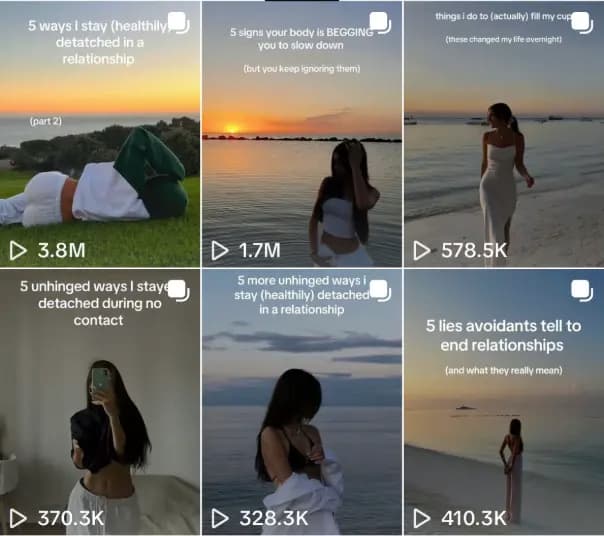
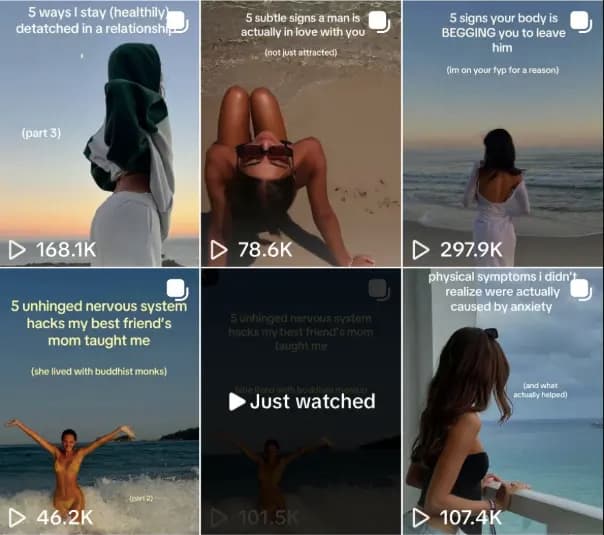
The idea of healthy detachment in relationships offers a practical guide that people will likely save.
Prompting a user to think of someone specific turns the slideshow into a social tool for sharing.
The promise of a total transformation in just thirty days encourages viewers to swipe through the steps to see the change.
Using the word bizarre makes people curious to see if these unusual tips actually work for managing panic.
This prompt targets people's affection for friends, prompting them to share the slides with someone they care about.
A direct call to send this to a best friend makes the content easy to share as a quick gesture.
The idea of life-changing thoughts makes people want to save the slides to read the quotes again later.
Mentioning a psychiatrist adds credibility to the chaotic tips, making people want to see what was recommended.
By asking users to send this to a friend, it creates a simple way for people to connect through the post.
Claiming these questions are unique makes people curious to see if they can answer them deeply.
Sharing a personal story of giving too much makes people who feel drained want to learn the method.
The goal of being the calmest person in a room is a desirable trait that makes people swipe for the guide.
Linking habits to a psychology student's expertise makes the advice feel more reliable and worth saving.
People who struggle with sensitivity will swipe to find these specific ways to protect their peace.
An explanation of how a specific brain works appeals to people looking for validation and understanding.
The personal journey of finding oneself in love makes the advice feel relatable and worth reading.
A single, heavy text message creates immediate curiosity about the story behind the sadness.
Harsh truths suggest a blunt style of growth that people often save for personal reflection.
This instruction uses a psychological nudge to get people to send the post to a specific person immediately.
A long list of experiences allows many people to find themselves in the slides and comment with their own stories.
The sisterly tone makes the advice feel warm and trustworthy, encouraging people to listen to the tips.
Strict rules suggest a clear boundary system that people want to learn to maintain healthy relationships.
The promise to dismantle your view of intimacy makes people swipe to see if their own relationships feel different.
A list of body language signs encourages viewers to save the post for future social reference.
Mentioning masking makes people who hide their struggle feel seen and likely to comment their own experiences.
Moving from surviving to living creates a hopeful curiosity that drives people to see the specific methods used.
Using the word bizarre suggests unconventional advice from a professional, which makes people want to learn the secrets.
Focusing on strengths no one talks about prompts people with this condition to share the slides with others.
A direct instruction to send the message to a specific person triggers quick sharing among friends.
Warning that the content might cause tears creates a sense of emotional depth that draws people in.
Relating high achievement to unavailable partners makes women in that position want to read the personal lessons.
Targeting anxious individuals with signs of progress encourages them to swipe through for reassurance.
Claiming life changed overnight makes the specific self-care habits feel urgent and worth saving.
Describing hacks as chaotic but helpful from a psychiatrist makes the advice feel both wild and credible.
A journey toward loving one's own mind offers a positive transformation that people want to follow.
Connecting whimsical living to anxiety makes the advice feel relatable and achievable for nervous people.
The claim of a life-changing overnight shift motivates people to swipe through the entire list of activities.
A simple, sentimental note prompts users to share the slide with someone they care about.
This direct call to action uses social connection to drive high numbers of shares.
Labeling therapy advice as unhinged makes the tips feel more honest and effective than standard methods.
Combining psychology expertise with the idea of being bulletproof makes the hobby list feel highly valuable.
The promise to break overthinking cycles from a student of psychology builds trust and encourages saving.
The promise of strange dating advice for anxious people makes viewers curious to see the specific rules mentioned.
Labeling the guide for avoidant attachment styles encourages people to swipe through to improve their romantic relationships.
This title teases a transformation story that makes people want to learn the methods used to change a partner.
Using the word brutal suggests intense and honest advice that helps avoidants stop sabotaging their own connections.
Promising signs of healing even when it feels wrong provides comfort and encourages users to save the list.
The text explains that suffering comes from lack of control, which motivates people to swipe for relief.
Mentioning years of therapy suggests these hacks are proven and effective for stopping long-term overthinking habits.
A large number of slides promises a deep, visual breakdown of what nervous system regulation looks like in real life.
This direct instruction prompts users to share the post with someone specific, increasing the reach of the content.
The philosophical approach to addiction offers a thoughtful perspective that invites users to reflect and comment.
Focusing on quiet people through dark facts creates curiosity about the hidden traits of introverted personalities.
Linking emotional detachment to reduced suffering makes the rules feel necessary for anyone struggling with control.
The strong statement about the IVF experience validates the difficulty of the process for those going through it.
Describing whimsical ways to find oneself appeals to people pleasers looking for a way to reclaim their identity.
The idea of weird therapist hacks makes the solution to overthinking seem unconventional and worth discovering.
Sharing lessons learned the hard way builds trust and makes the mental improvement advice feel more authentic.
A specific protocol for sadness offers a practical tool that people will want to save for difficult days.
The relatable story of waiting for messages makes people want to see how the creator moved on.
Identifying essential people encourages users to tag friends or reflect on their own social circles.
The goal of becoming unrecognizable creates a sense of seasonal motivation and personal transformation.
The promise of philosophical viewpoints on love invites curious minds to swipe through different ways of thinking about deep connections.
Sharing lessons from a therapist after a breakup creates a sense of shared healing that makes people want to save the advice.
Using the word weird to describe sleep hacks sparks curiosity for those struggling with insomnia to see what works.
The striking metaphor of cold water on the face teases impactful truths that people will want to read and share.
Relating sleep struggles to a specific time like 4am makes the promised psychiatrist hacks feel very relatable and worth swiping for.
A title about trust issues prompts viewers to swipe through to see if they recognize these behaviors in their own lives.
Personal stories about OCD therapy build trust and encourage others facing similar struggles to follow the journey.
The raw and blunt quote about darkness and stars provides a powerful emotional moment that people often save for motivation.
Promising only three simple rules makes the content feel easy to digest and quick to learn for busy scrollers.
Labeling normal habits as destructive to ADHD brains creates an urgent need to check if the viewer is doing them.
Mentioning a late diagnosis at age 28 makes people wonder if they are also missing hidden signs of depression.
Describing the habit of checking connections every three minutes makes the solution for letting go feel highly relevant.
Learning to prioritize oneself over others' emotions is a desirable skill that encourages people to swipe for the method.
The idea of flipping the script on an avoidant person offers a way to regain control without losing peace.
Hidden body language signs create a sense of mystery that makes viewers want to swipe to learn secret cues.
The professional title of a somatic life coach adds authority to the advice being shared in the slides.
Listing signs of maturity appeals to people interested in self-improvement and how they compare to others.
A simple drawing about exhaustion provides a visual cue for people to identify their own mental state.
Including a psychology student's perspective adds credibility to the signs of emotional safety being presented.
Suggesting that certain OCD thoughts must stay private creates a sense of community and shared secret experiences.
Most of the 120 slideshows on this page use 3 to 7 slides, and the typical one uses 6. Use enough slides to finish one idea, with one point per slide.
38 of these 120 slideshows passed 1 million views, and 102 passed 100,000. The page is sorted by views, so the most-watched slideshows come first.
Of the slideshows on this page, 44% promote an app and 34% grow the creator's own following without selling anything.
Use them as inspiration, not as posts to copy. Keep the format or angle that suits you, then make it with your own photos, words and facts.
Pick a format from this page, then build it in ReelsFarm: write the hook and slides with AI, add your images, and schedule the post to TikTok. You can start for free.
Every day you wait, someone in your niche is collecting the views your brand should already own.
Create standout posts, line up your calendar, and publish consistently without juggling a dozen tools.